
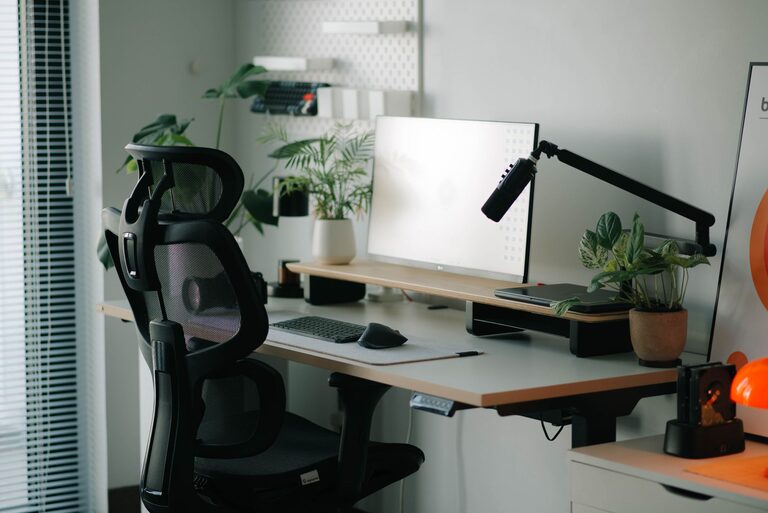
Creating a home office that feels both inviting and functional is essential for anyone working remotely or managing tasks from home. A well-designed workspace can improve focus, boost productivity, and even elevate your mood throughout the day. Whether you’re starting from scratch or looking to refresh your existing setup, these tips will help you create a home office that works for you.
Choose the Right Location
The first step in setting up an effective home office is selecting the best spot in your home. Consider places that offer:
– Natural Light: A room or corner near a window is ideal. Natural light helps reduce eye strain and enhances your mood.
– Minimal Distractions: Choose an area away from high-traffic zones or noisy appliances.
– Comfortable Space: Make sure the area offers enough room for your desk, chair, and any equipment you need without feeling cramped.
If space is limited, you can create a dedicated nook using room dividers or bookshelves to separate your office from other areas.
Invest in Ergonomic Furniture
Comfort is key to maintaining productivity and avoiding physical strain during long work hours.
– Chair: Choose an ergonomic chair with adjustable height, lumbar support, and comfortable cushioning.
– Desk: Opt for a desk at the proper height to keep your arms at a 90-degree angle when typing. Consider a standing desk or one with adjustable height to alternate between sitting and standing.
– Accessories: Use monitor stands or laptop risers to keep your screen at eye level. A keyboard and mouse that support a neutral wrist position can prevent strain.
Taking care of your posture will help you stay comfortable and focused throughout your workday.
Organize for Efficiency
An organized workspace minimizes distractions and saves time searching for items. Here are some organization tips:
– Desk Organization: Use drawer dividers, pen holders, and small trays to keep supplies tidy.
– Cable Management: Use clips, sleeves, or under-desk trays to keep cords neat and prevent tangling.
– Storage Solutions: Incorporate shelves, filing cabinets, or storage bins to keep paperwork and tools organized and out of sight.
Regularly decluttering your space ensures that it stays functional and inviting.
Personalize Your Space
Adding personal touches can make your home office feel welcoming and motivate you throughout the day.
– Artwork and Photos: Hang pictures that inspire you or create a vision board.
– Plants: Indoor plants improve air quality and add a calming natural element.
– Colors: Choose colors that promote focus and calm, such as soft blues, greens, or neutrals. You can add pops of color with accessories like cushions, rugs, or stationery.
Personalizing your office helps create an environment where you enjoy spending time.
Optimize Lighting
Good lighting reduces eye strain and creates a pleasant atmosphere.
– Natural Lighting: As mentioned, maximize natural light during the day.
– Overhead Lights: Ensure your workspace is evenly lit without harsh shadows.
– Task Lighting: Use a desk lamp with adjustable brightness to focus light where you need it, especially for reading or detailed work.
Warm or neutral white lights tend to be best for home offices as they mimic daylight more closely.
Minimize Noise Distractions
Noise can be a major productivity killer, especially if you share your home with others.
– Soundproofing: Consider rugs, curtains, or acoustic panels to absorb sound.
– Headphones: Noise-canceling headphones can help you stay focused in noisy environments.
– White Noise: Using a white noise machine or app can mask distracting sounds.
Creating a quiet space makes it easier to concentrate on your tasks.
Maintain a Healthy Work-Life Balance
Lastly, it’s important to establish boundaries between work and personal life.
– Set a Schedule: Stick to regular work hours and take breaks to recharge.
– End-of-Day Ritual: Close your laptop, clear your desk, or leave your office space to signal that the workday is over.
– Comfort Breaks: Incorporate stretches or brief walks to stay energized and avoid burnout.
A designated and comfortable home office helps you separate work from relaxation.
—
Creating an inviting and functional home office doesn’t have to be complicated. By thoughtfully choosing your location, investing in comfort, staying organized, and adding personal touches, you can build a space that supports your productivity and well-being. With a balanced environment, you’ll be ready to tackle your workday with focus and ease.