
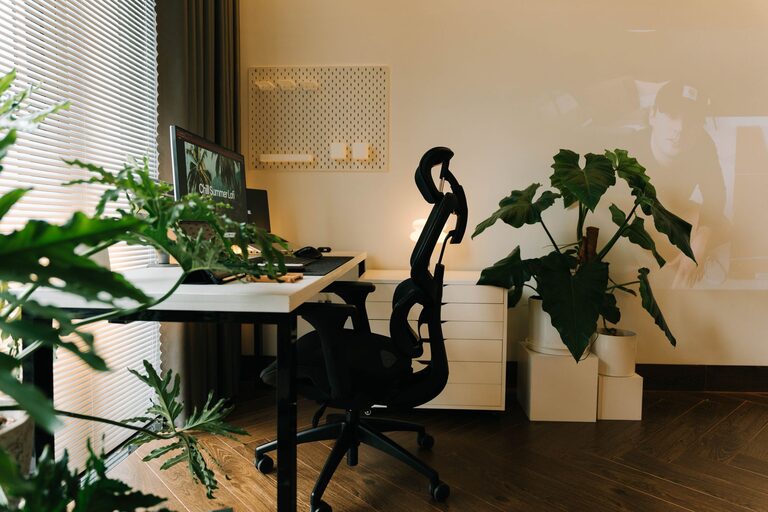
Creating a home office that feels cozy yet promotes productivity can significantly improve your work-from-home experience. Whether you have a dedicated room or a small corner, designing your workspace thoughtfully can make a big difference in your comfort and focus throughout the day. Here are some tips to help you build a home office space that works for you.
Choose the Right Location
The first step is selecting a spot for your office. Ideally, pick a quiet area with minimal distractions. If possible, use a separate room to help you mentally separate work from home life. If space is limited, a well-organized corner in your living room or bedroom can still work, as long as it has sufficient natural light and privacy.
Prioritize Comfort with Furniture
Comfort is key when working long hours. Invest in a good chair with ergonomic support to keep your back and neck healthy. A desk at the right height will reduce strain on your wrists and shoulders. Adjustable furniture is a bonus, allowing you to switch between sitting and standing if desired. Remember to arrange your monitor or laptop at eye level to avoid neck discomfort.
Optimize Lighting
Lighting impacts both your mood and productivity. Natural light is the best option, so try to position your desk near a window. If natural light is limited, use layered lighting—a combination of overhead lights and desk lamps. Choose bulbs that mimic daylight to reduce eye strain and keep you alert.
Organize and Declutter
A tidy workspace helps clear your mind. Use shelves, drawers, or organizers to store supplies, papers, and electronics. Declutter regularly, keeping only the essentials within reach. Labeling storage bins or files can save time when searching for documents. Digital organization—such as managing your computer folders and emails—also contributes to a smoother workflow.
Add Personal Touches
Make your office an inviting space by adding elements that inspire you. Personal touches could include artwork, plants, or your favorite photos. Plants not only brighten a room but also improve air quality and reduce stress. Choose low-maintenance varieties like succulents or snake plants if you don’t want to spend much time on upkeep.
Manage Noise Levels
If noise is an issue, consider soundproofing options. Adding rugs, curtains, or fabric wall hangings can soften echo and background sounds. Noise-canceling headphones or white noise machines can also help you concentrate during busy household times.
Create Zones for Different Activities
If your space allows, design zones for various work-related tasks. For example, a main desk area for computer work, a smaller table for writing or brainstorming, and a comfy chair for reading or taking breaks. Having distinct areas supports different modes of work and helps prevent fatigue.
Use Technology Wisely
Set up your office with the right technology to support your daily tasks. A reliable internet connection, a quality webcam and microphone for virtual meetings, and sufficient charging ports are all essential. Cable management tools can keep cords neat and prevent tangling.
Establish a Routine and Boundaries
Your physical space is important, but so is the routine around it. Set specific work hours and take regular breaks to avoid burnout. Communicate your schedule to family or housemates to minimize interruptions. Ending your day by tidying your workspace signals a clear boundary between work time and personal time.
Incorporate Movement and Wellness
Promote health by including space for stretching or light exercise nearby. Small items like a yoga mat or resistance bands can encourage movement during breaks. Staying hydrated and mindful about posture throughout the day also contribute to long-term wellness.
Final Thoughts
Creating a cozy and productive home office is a balance between comfort and function. By choosing the right location, investing in ergonomic furniture, optimizing lighting, and personalizing your space, you build an environment where work feels less like a chore. Organize your tools, manage noise, and set clear boundaries to maintain focus. With these tips, your home office will be a space that supports both your professional goals and personal well-being.